Guest Post: Talent is Everywhere. Opportunity is Not.
Building OpportunityEconomic MobilityOct 15, 2026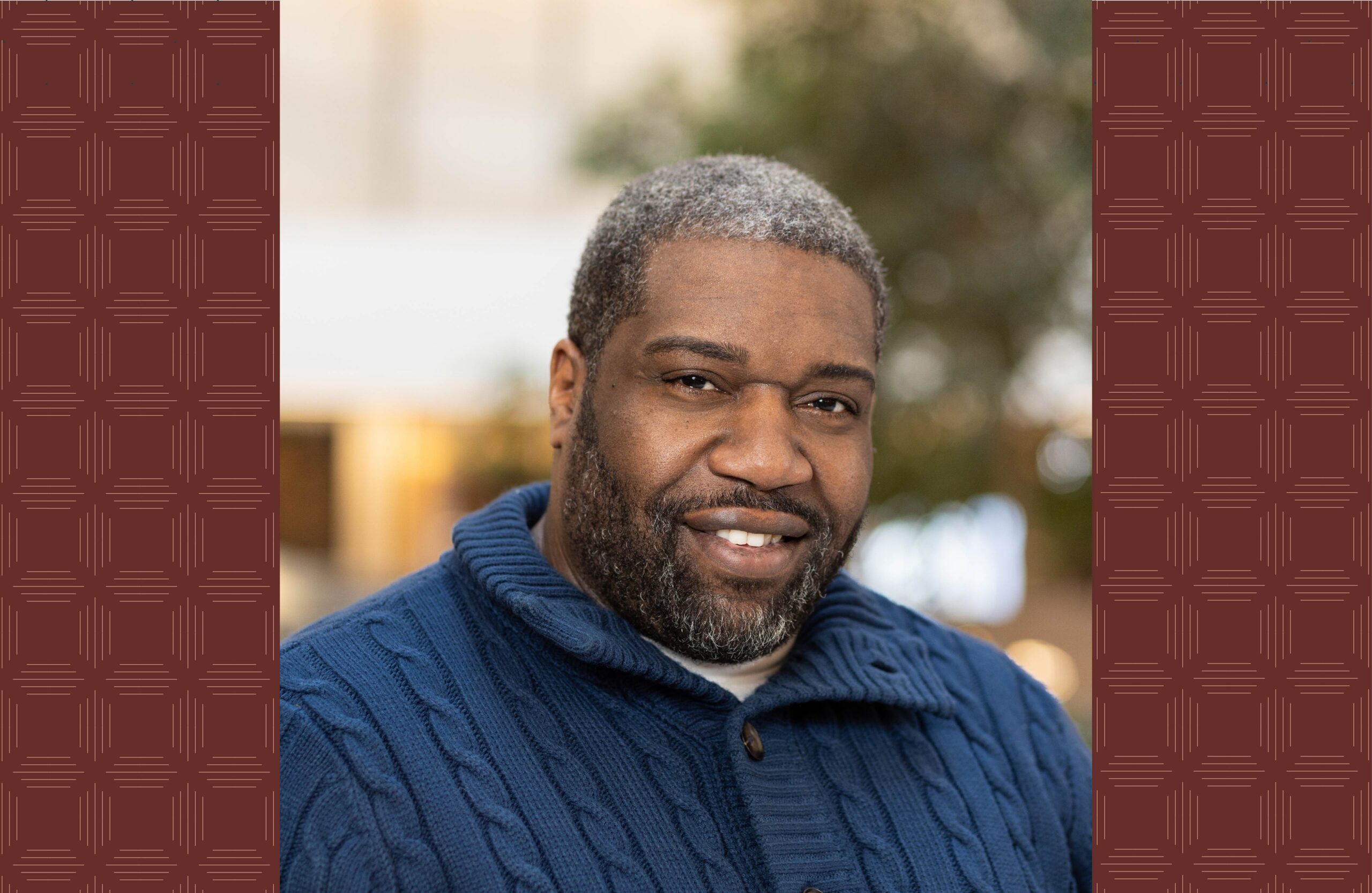
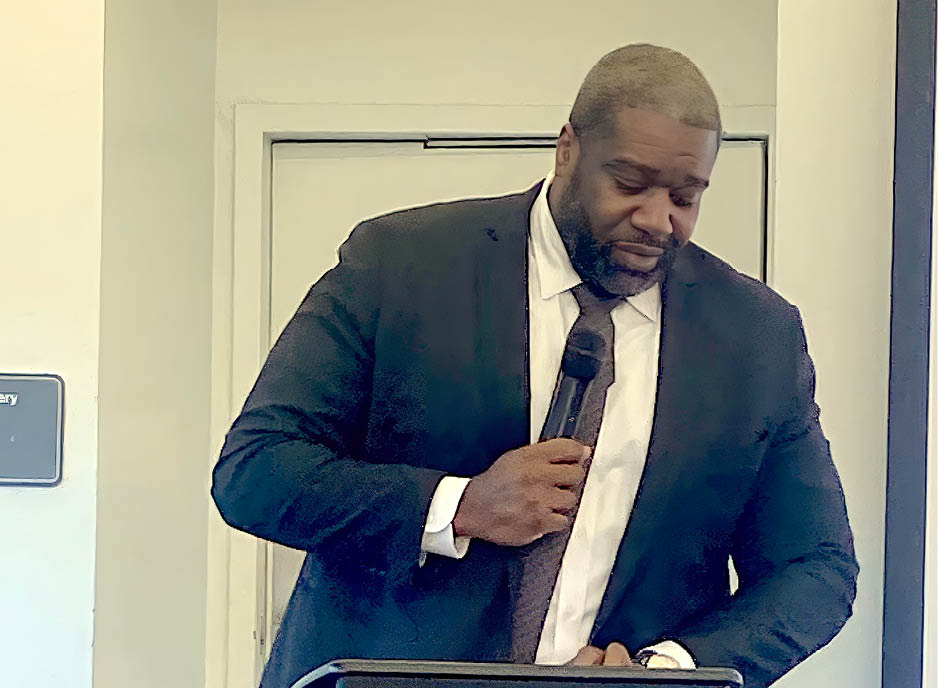
The following is a guest post by Kinnus Paul, Sr. Program Manager on our Economic Mobility team. Paul leads our construction and skilled trades portfolio.
I was born and raised in Detroit, so when I talk about economic mobility for Detroiters, I am talking about the neighborhoods I grew up in and the people I have worked alongside throughout my career. I’m talking about home.
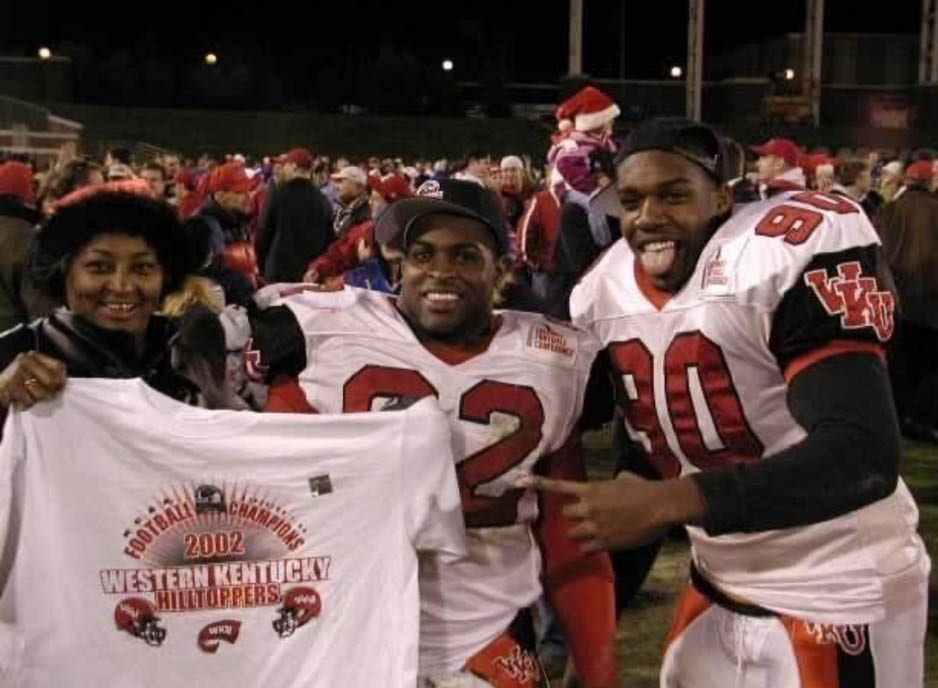
Growing up, I did not have a roadmap showing me every career available to me or every door I could walk through. Like a lot of young people, my understanding of what was possible was shaped by what I could see around me. Football became one of the first things that expanded that view. At Western Kentucky University, I was a college athlete and became part of a national championship team. But football gave me much more than a uniform or a championship ring. It taught me that preparation matters. It taught me that when an opportunity finally shows up, you better be prepared to do something with it.
Those lessons stayed with me long after I stopped playing.
My professional journey may look like different chapters, but one purpose connects them: to remove barriers and help people move forward. I have seen people with incredible talent, intelligence, and drive who simply did not have the resources available to thrive. That distinction matters, because talent is everywhere. Opportunity is not.
Throughout my career, I have worked with organizations preparing Detroiters for jobs that could change the financial trajectory of their families. I have watched entrepreneurs and contractors work to grow businesses while navigating systems they did not always have access to. I have also spent years coaching young athletes and watching them try to figure out who they are and what their futures could become. That belief guides the work I support today. For example, our partnership with DABO Detroit backs workforce readiness that connects residents to in-demand fields with industry-recognized certifications, coaching, and mentorship. Through the Horatio Williams Foundation’s Detroit Empowerment Hub, we’re supporting pathways for women, youth, and returning citizens, including training for careers like nursing assistance and truck driving. Another example is the Green Door Initiative, which is focused on creating meaningful employment opportunities for underserved Detroit residents in the growing environmental and clean energy sectors. That initiative alone has helped place nearly 200 individuals into employment, with an average wage of $23.50 per hour. These are all different populations and ages, supported by the same principle: the path has to be visible and within reach.
Sometimes all people need is someone to show them what is possible and then challenge them to do the work required to get there.
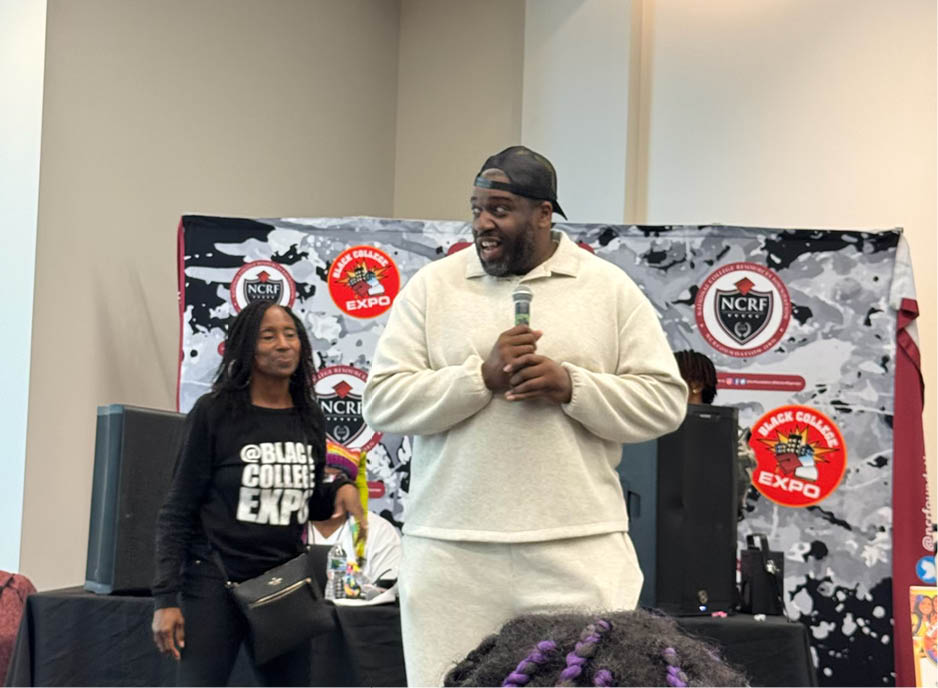
A ninth grader cannot prepare for a career they have never heard about. That’s why I care about programs like Project Genesis, which gives Detroit high school students paid, hands-on experience across healthcare and emergency services careers many had never considered. And it’s why we’re supporting Lightweight Innovation For Tomorrow (LIFT), which brings students into real manufacturing environments and gives them a chance to see what a career in advanced manufacturing looks like before they have to choose. But a job seeker also cannot pursue a credential they do not know employers value, which is why training specifically for that purpose – such as welding, CNC, and robotics – is so important for advancement. A contractor cannot prepare to compete for a multimillion-dollar project without understanding bonding, estimating, financing, and procurement. But before someone can pursue an opportunity, they must know it exists. Economic mobility starts with exposure.
That same belief shapes how I think about Detroit’s entrepreneurs and contractors. I have met business owners who know their craft and know how to work. They are not short on ambition. What they may be missing is working capital, bonding capacity, estimating support, stronger business systems, or access to the people making decisions about major opportunities.
For contractors earlier in their journey, IGNITE is where that path starts: business education, coaching, and connections that help emerging Detroit contractors build the systems they need to grow. For many, it leads to the next step, the Motor City Contractor Fund. That is where MCCF comes in – bringing together capital, technical assistance, and access to help Detroit contractors strengthen their businesses and compete for larger opportunities. We have seen participating contractors increase revenue and expand their bidding capacity, but what matters to me is what happens behind those numbers: a contractor wins a larger project; that business hires another Detroiter. And that employee brings another paycheck home. Ultimately, the household becomes more stable. The contractor builds is then prepared to compete for the next opportunity. That’s what economic mobility looks like when it starts moving through a community.
After nearly two decades in this field, I have become less interested in how many programs we can create and much more interested in what happens to people because those programs exist. Activity is not the finish line; outcomes are.
Growing up in Detroit and spending my career working in this community has also taught me that Detroiters do not need saving. The communities I come from have never lacked ambition, creativity, or work ethic. It’s access – to capital, to relationships, to training. It’s someone to open the door to opportunity.
Today, I am fortunate to sit in rooms that a younger version of me did not even know existed. I do not take that lightly.
Because once you have access, you have a decision to make and a responsibility to undertake. You can simply enjoy being in the room, or you can start asking who else needs to be in it.
It is why workforce development matters to me. It is why I continue to coach young people. Because I know what can happen when somebody sees something in you and gives you an opportunity to prove yourself. And it is why doing this work in Detroit is so critical.